Key Takeaways
- Determine your daily paddy processing needs to select the right rice mill capacity.
- Choose between mini rice mills for small operations and commercial units for larger volumes.
- Verify motor power requirements and electrical compatibility before purchasing a rice mill.
- Check for essential features like dehusking, polishing, and cleaning functions in the rice mill.
- Understand the importance of reviewing included components and operational space for installation.
Planning to buy a rice mill but confused between different models, motor capacities and milling features? Choosing the wrong machine can affect your daily processing work and operating convenience.
At Vinglobe Greentech (I) Pvt. Ltd, we offer rice milling equipment for farmers, village millers and agricultural businesses. As a Rice Mill Manufacturer in India, we help buyers compare machines according to their actual milling requirements.
1. How Much Paddy Do You Need to Process Daily?
Start with your expected processing quantity. A machine intended for household or small-scale milling may not suit a business handling large amounts of paddy every day.
Our rice mill collection includes compact 6N40 models and larger 6N70 machines.
The output capacity varies according to the specific machine model chosen:
- Mini rice mills: Our category guidance describes typical processing capacities of approximately 100 to 300 kg per hour.
- 6N70 rice mill: The listed production capacity is approximately 500 to 850 kg per hour.
- N70 Pro Max: The product specifications mention approximately 500 to 700 kg per hour.
These are published capacity figures, not fixed output guarantees. Actual processing depends on machine configuration and operating conditions.
2. Which Motor Power and Electrical Connection Do You Need?
Motor selection should match your available electrical supply and expected workload.
Our 6N40 Chrome Type Rice Mill comes with a 3HP single-phase motor. It is an option for buyers seeking compact rice milling equipment.
For larger operations, our N70 Pro Max model specifies a 10HP, three-phase motor requirement. The machine is listed without a motor, so buyers should check the complete installation requirements.
Before ordering, confirm the motor power, phase requirement and whether the motor is included.
3. Should You Choose a Mini Rice Mill or a Commercial Unit?
The correct choice depends on how you intend to use the machine.
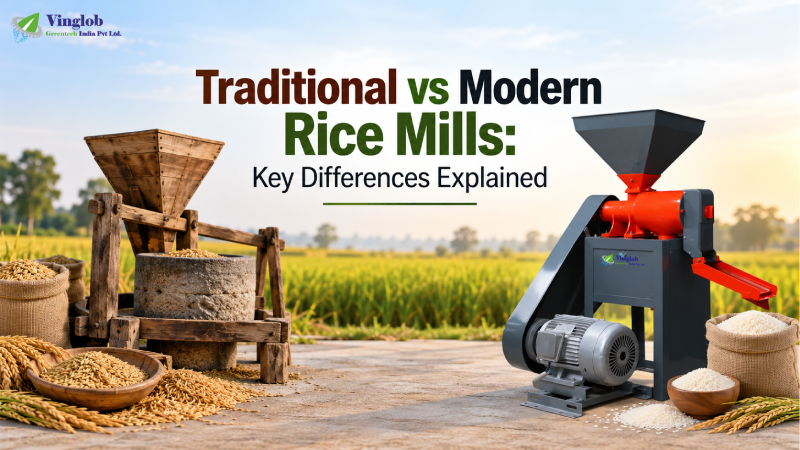
Our Mini Rice Mills include the 6N40 Chrome Type and 6N40 Iron Type models with 3HP motors. These are worth considering for domestic use and smaller rice milling activities.
For higher-volume processing, our Commercial Rice Milling Units include the 6N70 and N70 Pro Max ranges.
A village milling business handling regular customer batches may need a different setup from a farmer processing smaller quantities of harvested paddy.
Choose your rice mill according to processing volume, not simply machine size.
4. Which Rice Cleaning and Polishing Features Should You Check?
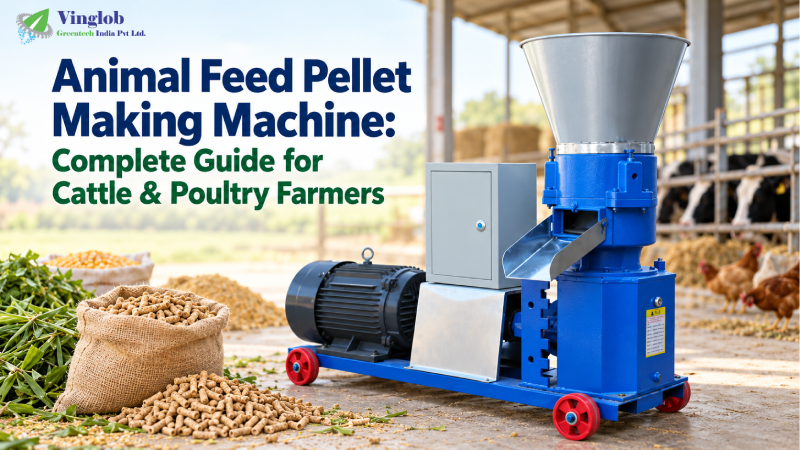
Not every rice mill offers the same processing functions. Some machines focus on dehusking, while others include polishing and additional grain-handling equipment.
Our range includes semi-automatic dehusker-cum-polisher machines for paddy processing.
We also offer an N70 Pro Max configuration with a destoner, grader and bucket elevator.
A destoner helps separate stones and impurities. A grader supports rice separation, while the elevator helps move material through the processing setup.
Before purchasing, identify which functions your operation needs and check the components supplied with the exact model.
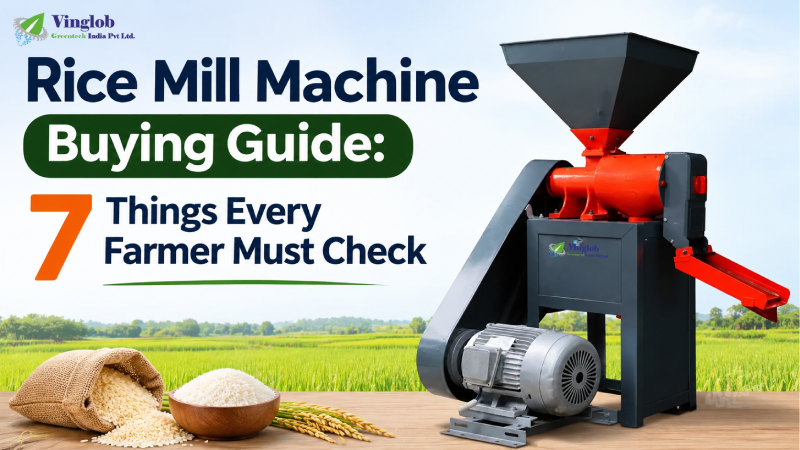
5. What Are the Seven Things You Must Check Before Buying?
Farmers often compare machinery based on horsepower alone. However, the complete equipment configuration deserves attention.
Our team recommends reviewing these seven points before finalising a rice mill:
1. Processing capacity: Match the stated hourly output with your daily paddy quantity.
2. Motor power: Check whether the machine requires a 3HP, 10HP or another specified motor.
3. Electrical supply: Confirm single-phase or three-phase compatibility.
4. Machine functions: Check dehusking, polishing and cleaning facilities.
5. Included components: Verify whether the motor, destoner, grader or elevator is supplied.
6. Operating space: Review machine dimensions and installation requirements.
7. Maintenance needs: Discuss cleaning, adjustments and routine servicing.
For example, our N70 Pro Max is listed without a motor despite specifying a 10HP motor requirement. Checking this detail before ordering can prevent confusion during installation.
Why Choose Vinglobe Greentech (I) Pvt. Ltd?
At Vinglobe Greentech (I) Pvt. Ltd, we offer rice milling equipment for different processing requirements from Ahmedabad, Gujarat. Our product selection includes compact 6N40 machines, semi-automatic dehuskers and larger 6N70 models. We help buyers compare machine configurations, processing capacities and available features before selecting equipment for agricultural or commercial applications.
Conclusion
Buying a rice mill becomes easier when you know how much paddy you need to process and which machine functions matter. Compare motor requirements, capacity, polishing features and included components before making your decision. Our range covers compact processing machines and larger commercial milling equipment. We encourage buyers to review the exact model specifications and discuss installation needs with our team before placing an order.
Looking for a reliable Rice Mill Manufacturer in India? Contact Vinglobe Greentech (I) Pvt. Ltd to compare rice mill models and discuss your processing requirements.
Call: +91 990 979 3721
Email: vinglobgreentech@gmail.com
Frequently Asked Questions
What should I consider when choosing a rice mill manufacturer in India?
When selecting a rice mill manufacturer, consider their product range, including mini rice mills and commercial units. Assess their reputation, customer reviews, and whether they can provide support and parts for maintenance.
How do I know if I need a mini rice mill or a commercial rice milling unit?
The choice depends on your processing needs. Mini rice mills are suitable for smaller quantities and domestic use, while commercial milling units are designed for higher-volume operations and are ideal for businesses handling larger amounts of paddy.
What are the key factors in rice mill machine performance?
Important factors include processing capacity, motor power, electrical supply compatibility, and available features like polishing and cleaning functions. It’s essential to match these factors with your operational requirements to ensure efficiency.
How can I find the right motor power for my rice mill?
Determine the milling capacity you need and check the manufacturer’s specifications for motor requirements. Some models may come with different motor options, so confirm whether you need a single-phase or three-phase motor before making a purchase.
What maintenance checks are important for rice milling units?
Regular maintenance checks include cleaning the machine, adjusting components, and servicing the motor. Ensure you understand the specific maintenance needs of your rice mill to keep it operating efficiently and extend its lifespan.